

Introduction
Choosing the right riding mower can make lawn maintenance easier and more efficient. Two common options are zero-turn mowers and tractor riding mowers. Both can handle large lawns, but they differ in design, movement, comfort, speed, and overall use. Understanding these differences can help homeowners and property managers choose a mower that matches the size and layout of their lawn.
When evaluating the two mower types, it is helpful to look beyond basic cutting performance and consider how each machine fits the property’s everyday demands. A closer Zero Turn Vs Tractor Riding comparison can reveal differences in steering, turning radius, operator control, and attachment options that may affect overall convenience. By considering these practical features alongside lawn size and terrain, homeowners can make a more informed decision and choose equipment that suits their specific mowing needs.
Cutting Speed
Zero-turn mowers are designed for quick mowing and can usually move around open areas efficiently. Their ability to turn sharply allows operators to cover large spaces without making many wide turns. Tractor-riding mowers generally have a slower cutting speed, but they can still work well for regular lawn maintenance. If mowing speed is a major priority, the property layout should be considered along with the mower type.
Maneuverability
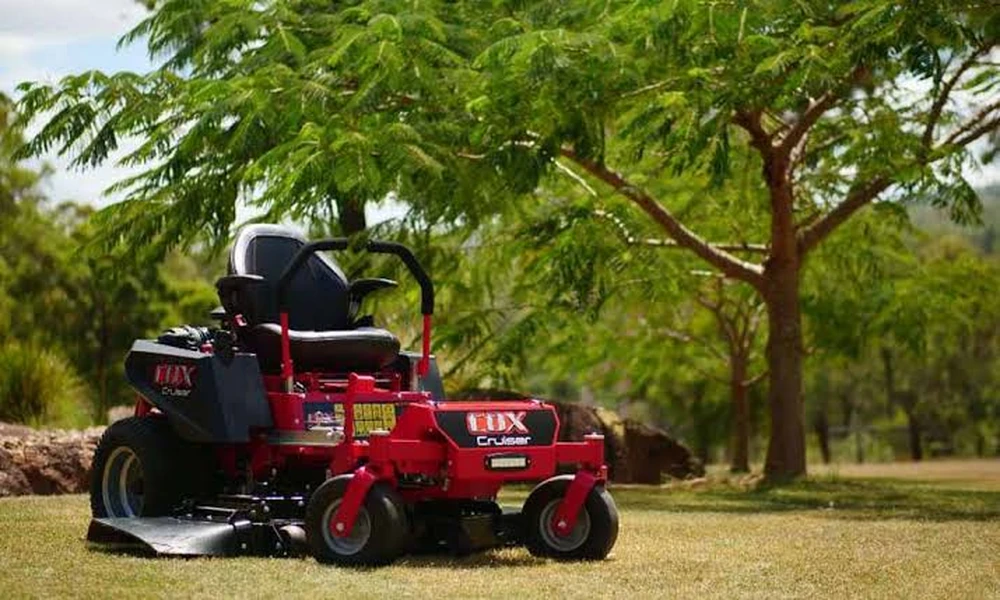
One of the biggest differences between the two types is how they turn. Zero-turn mowers can rotate with a very small turning radius, making them useful around trees, garden beds, fences, and other obstacles. Tractor riding mowers use a more traditional steering system and need more space to turn. For lawns with many obstacles, manoeuvrability can be an important factor.
Lawn Size and Layout
The size and shape of the lawn should influence the choice. Zero-turn mowers can be particularly useful for large, open lawns where their speed and tight turning ability provide clear advantages. Tractor riding mowers may be suitable for medium-sized lawns and properties with mixed terrain or more varied landscaping.
Comfort and Ease of Use
Both mower types can provide a more comfortable experience than walking behind a traditional mower. Tractor riding mowers have a familiar steering setup that many users find easy to understand. Zero-turn mowers use control levers instead of a standard steering wheel, which may require some practice.
Terrain and Stability
The condition of the property is another important consideration. Tractor riding mowers can be useful on lawns with moderate slopes and varied terrain, depending on the model and operating conditions.
Versatility
Tractor riding mowers can often support additional tasks beyond mowing, depending on their design. Some may be suitable for towing certain lawn-care attachments or handling seasonal maintenance tasks. Zero-turn mowers are mainly designed for efficient grass cutting and precise manoeuvring. If a mower needs to perform several different tasks, versatility may influence the decision.
Maintenance and Cost
Purchase price, fuel use, maintenance requirements, replacement parts, and long-term operating costs should all be considered. A mower that costs more initially may provide useful benefits for a large property, while a simpler option may be more practical for occasional use. Comparing total ownership costs can help avoid focusing only on the initial price.
Conclusion
Comparing zero-turn and tractor riding mowers requires looking at several factors, including cutting speed, manoeuvrability, lawn size, comfort, terrain, versatility, and maintenance costs. Zero-turn mowers can be a strong choice for large, open lawns with many obstacles, while tractor riding mowers can offer familiar controls and greater versatility for different property needs.