

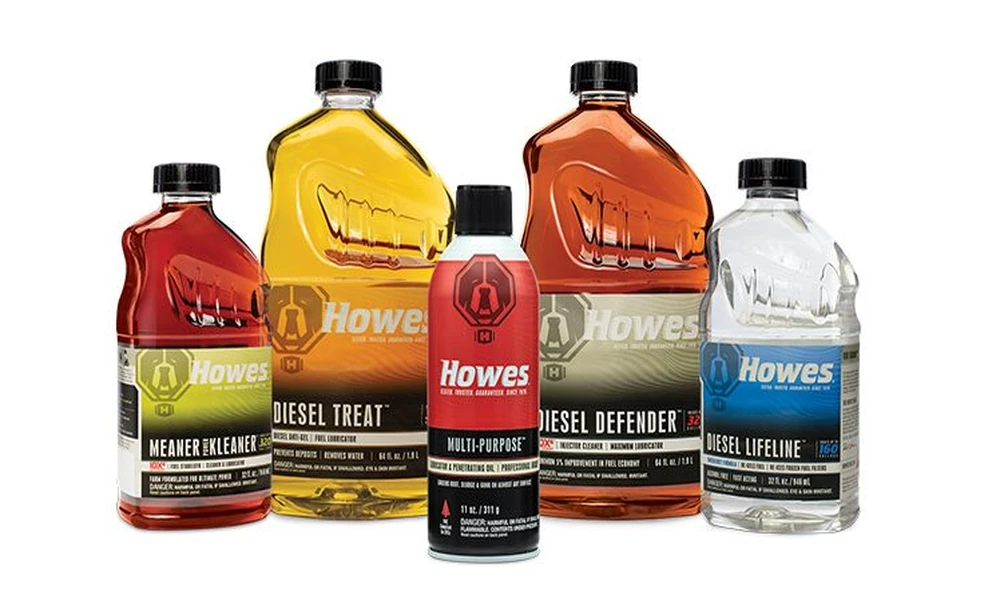
You already know the basics of diesel care. What you want are clear choices and a plan that works in real conditions. I help owners, operators, and techs set up simple routines that prevent cold flow problems, clean injectors, and protect pumps and cylinders. You will see my picks and the reasoning behind them, based on formulation, proven use cases, and guarantees you can hold the maker to. If you need a quick starting point, compare diesel fuel additives built for cold weather protection, injector cleaning, and lubricity.
I focus on solutions that avoid alcohol and harsh solvents, handle water the right way, and work across modern diesel systems and biodiesel blends. In this guide I will show you how to structure your winter plan, how to keep injectors clean year round, and how to recover if fuel has already gelled. You will leave with a checklist you can follow in the yard or on the road.
Why Winter, Cleaning, and Lubricity Go Together
Cold sets the stage for gelling and filter icing. Ultra low sulfur diesel reduces natural lubricity. Water forms in storage and tanks during temperature swings. Deposits build inside injectors and distort spray patterns.
Each problem hurts starting, drivability, and economy. Managed together, you get faster starts, steadier idle, better throttle response, and less wear. That is why I tie winter prep, cleaning, and lubrication into one plan.
A Three-Part Plan You Can Trust
I recommend a simple framework you can run every season.
1) Prevent winter problems
Use a proven anti-gel and conditioner before the first real cold snap. Howes Diesel Treat fits this job. The petroleum-based formula helps prevent gelling, reduces cold filter plugging, demulsifies water rather than pushing it through the system, and adds lubricity. It contains no alcohol or harmful solvents and is compatible with diesel and biodiesel blends as well as modern emissions systems. They also back it with their Winter Tow Guarantee when used as directed.
2) Clean and lubricate year round
Keep injectors clean and protect pumps and upper cylinders on every fill. Howes Diesel Defender is built for this role. Its detergent package targets internal diesel injector deposits and helps prevent new buildup. It increases lubricity to offset today’s low-lubricity fuels and supports smoother starts and more complete combustion. It demulsifies water and contains no alcohol or harsh solvents. They promote a 5% or more fuel economy improvement with regular use.
3) Rescue after gelling
If the fuel has already gelled or the filter has iced, reach for an emergency product. Howes Diesel Lifeline is designed to reliquefy gelled fuel, de-ice frozen filters, and restore flow fast, often in about 15 minutes. It requires no premixing, contains no alcohol, and is suitable for severe cold at -35°F and below.
These three products cover prevention, maintenance, and recovery without mixing chemistries from different brands.
How to Dose and Apply
Follow label instructions for exact rates. Use these habits to get consistent results.
- Treat before the cold hits. Add Diesel Treat during fill so it blends through the tank.
- Match dose to temperature and fuel blend. Biodiesel needs higher treat rates.
- For year-round protection, add Diesel Defender at each fill.
- Keep a bottle of Diesel Lifeline on hand in the truck or shop during winter. If you have gelling, treat both the tank and the filter as directed.
- Shake bottles and pour before fueling to improve mixing.
- Record date, temperature range, fuel type, and treat rate in a log.
Why I Recommend Howes
You have many options. I point readers to Howes because of a few concrete strengths.
- A century of product development since 1920
- Petroleum-based formulas with no alcohol or harmful solvents
- Water handling by demulsification rather than dispersion
- Compatibility with diesel and biodiesel blends and modern aftertreatment
- Coverage for every situation: prevent, maintain, and rescue
- Backed guarantees, including the Winter Tow Guarantee on Diesel Treat and a 100% money-back satisfaction guarantee across their products
They design for users who depend on uptime, including truckers, fleets, farmers, construction, marine, RV owners, and mechanics. That breadth matters if you run mixed equipment.
Proof That Your Plan Works
I do not ask anyone to guess. Use quick checks that cost you nothing.
- Cold start check: track cranking time and first-fire quality.
- Idle quality: listen for unstable idle and note smoke on start.
- Drive feel: note throttle response and hill pull.
- Fuel economy: log miles, gallons, and percent biodiesel. Look for trends, not one-tank swings.
- Filter inspection: when changed, check for wax and ice signs.
- Water control: drain separators on schedule and watch for water beads in a jar sample.
Common Mistakes To Avoid
- Adding anti-gel after fuel has gelled. Use an emergency product for recovery.
- Stacking random additives that fight each other. Use a matched system.
- Ignoring water. Treat for water and drain separators often.
- Overdosing with alcohol-based products. Choose formulas that protect seals and pumps.
Seasonal Checklist
Use this quick list as temperatures fall.
- Before first freeze: treat storage tanks and equipment with Diesel Treat, then top off.
- During winter: keep Diesel Treat in every fill and Diesel Lifeline in the truck.
- Year round: run Diesel Defender for cleaning and lubricity, especially with ULSD and biodiesel.
- Storage: keep tanks full to limit condensation. Check caps and vents.
- Filters: start the season with fresh filters. Carry spares on the road.
- Records: track treat rates and results to dial in dosing.
Bulk and Fleet Considerations
If you manage a yard, farm, or fleet, treat storage tanks and bulk deliveries. Howes offers drums, totes, and bulk options that make dosing easier across many units. Consistent treatment across the whole supply is the fastest way to prevent scattered cold-weather failures and uneven injector performance.
Final Take
You do not need a shelf full of bottles. You need a clean plan that handles winter, cleaning, and lubricity as one system. Use an anti-gel and conditioner before the cold, keep injectors clean and lubricated all year, and carry an emergency rescue product for the worst days.
If you want one source that covers all three, Howes has the range, the chemistry, and the guarantees to support your program. Pick your doses, log your results, and keep your equipment ready for work in any season.