

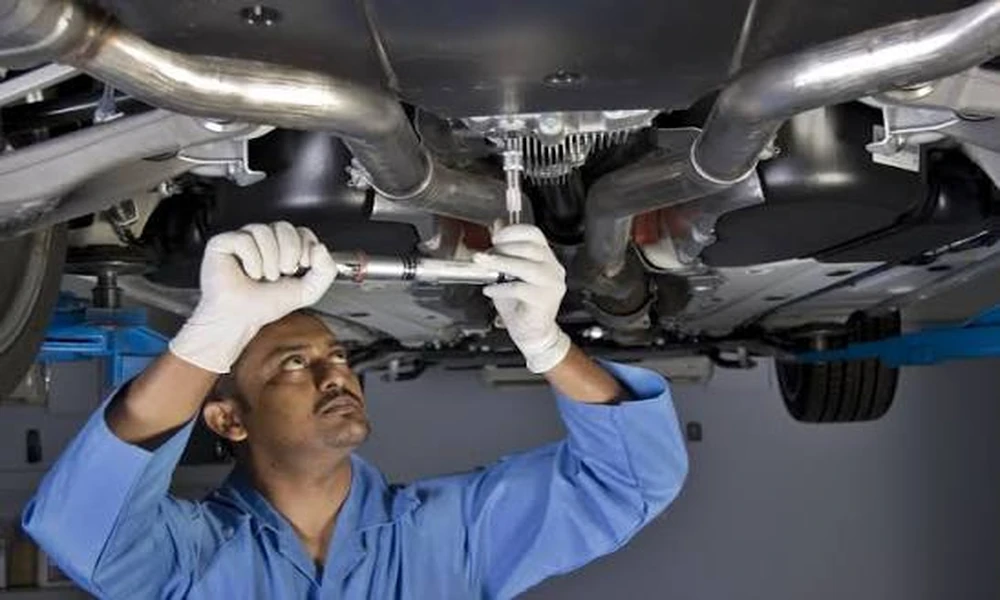
Sometimes a light squeal may indicate ordinary surface friction between brake materials. However persistent sounds can suggest wear that needs professional inspection and timely attention. Now understanding brake sounds can help identify developing problems before they become expensive.
Squealing Can Indicate Brake Pad Wear
A high pitched squealing sound commonly comes from friction between brake pad surfaces. Modern brake pads can produce noise when their friction material becomes significantly worn. Some pads also contain wear indicators designed to create an audible warning sound. This noise alerts the driver that replacement may soon become necessary. The sound can become more noticeable during gentle braking around busy roads.
Screeching May Point Toward Surface Or Material Problems
Sometimes incorrect brake component installation can contribute to unusual screeching noises. Poorly fitted hardware may allow unwanted movement around the brake assembly. The resulting vibration can create sharp sounds whenever braking pressure is applied. Professional inspection can determine whether the issue involves pads, rotors or supporting hardware. Trust Auto Center can assess unusual brake noises and identify the underlying mechanical concern.
Rubbing Sounds Can Reveal Contact Problems
Warped or uneven rotor surfaces can also contribute to rubbing sensations. Debris caught around the brake assembly may create intermittent contact during wheel movement. Sometimes a rubbing sound becomes stronger while turning or travelling over uneven surfaces. Careful inspection can distinguish brake related rubbing from wheel or suspension noises. Trust Auto Center can examine these symptoms before further component deterioration occurs.
Why Professional Brake Inspection Matters
The inspection should consider brake pad thickness and rotor surface condition. Technicians can also examine calipers, mounting hardware and other related components. Unusual heat patterns may provide additional evidence of uneven braking activity. Now timely inspection can help prevent unnecessary damage and maintain reliable stopping performance. Auto Repair in Severance, CO service can provide professional assistance when persistent brake noise develops.
Frequently Asked Questions
Can brake noise change after driving through rain?
Yes. Moisture can temporarily create surface sounds when brake components become damp. Persistent noise after normal drying should receive professional attention.
Why does brake rubbing sometimes disappear after parking?
A temporary rubbing sound may come from moisture or minor surface contact. Persistent rubbing can indicate a sticking component requiring inspection.
Can quiet brakes still have worn brake pads?
Yes. Brake wear does not always produce an obvious warning sound. Professional inspection remains useful when braking performance or pedal behaviour changes.
Does rotor condition affect brake noise during gentle braking?
Yes. Uneven or glazed rotor surfaces can influence how smoothly pads contact rotors. This may create noise during otherwise light braking.
Can brake hardware cause sounds without severe pad wear?
Yes. Loose or improperly positioned hardware can create vibration and unwanted movement. Proper inspection can identify hardware related noise before damage increases.