

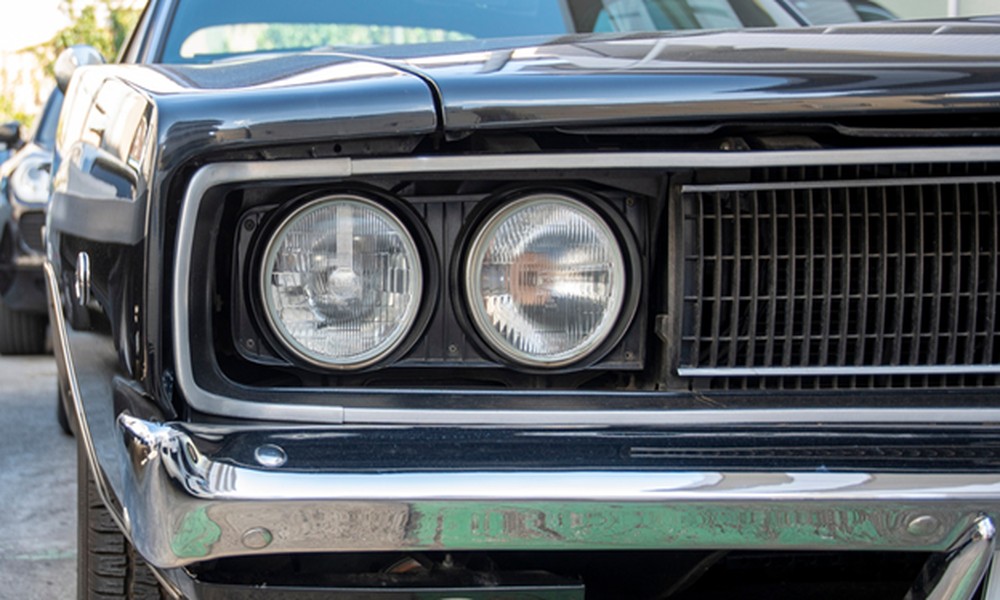
The Dodge Viper is a glorious anomaly in automotive history. Endowed with a monstrous, truck-derived V10 engine, a traditional manual gearbox, and an uncompromising lack of electronic safety cushions in its early iterations, it earned a reputation as the ultimate driver’s car.
Because Vipers are built explicitly to dominate asphalt, a massive percentage of them have spent time pushed to their absolute limits on road courses. Track use in itself isn’t a crime; however, the extreme heat, structural loads, and violent vibration of hard track racing leave permanent mechanical footprints.
When you are looking at a Dodge Viper purely as an appreciating financial asset, you cannot afford to buy a track-weary car masquerading as a pampered garage queen.
To safeguard your capital, look past the polished composite bodywork and inspect these five hidden indicator zones.
1. Thermal Fatigue and Stress Fractures on Side Sill Paint
The Dodge Viper features a highly unique exhaust design where the primary plumbing and catalytic converters run directly beneath the door panels inside the aluminum side sills. This creates an intense concentration of heat right beneath the cockpit.
During normal street driving, airflow keeps these sills reasonably cool. However, on a racetrack-where the engine is sustained at high RPMs for 20 to 30 minutes straight-side sill temperatures can skyrocket past $500^circtext{F}$.
- What to Look For: Inspect the painted side sills carefully under direct, focused light. On track-abused cars, this extreme heat causes the paint to bubble, discolor, or develop spiderweb-like heat wrinkles. Additionally, run your hand along the very bottom lip of the aluminum sill; track cars will display “track rash”-heavy pitting from rubber chunks and track gravel kicked up by sticky racing tires.
2. Fractures Along the Frame Crossmembers (The 998 Recall Zone)
The second-generation Viper utilizes a robust steel frame, but the immense torque of the 8.0-liter V10 combined with high-grip racing slicks puts tremendous structural load on the front suspension mounting points.
This specific stress was so severe that it triggered the famous factory “998 Recall,” which required dealerships to install steel reinforcement gussets to stabilize the front frame crossmember.
- What to Look For: You must get the vehicle on a mechanical lift. Inspect the front crossmember right near the engine oil filter. Look closely at the welds for hairline fractures, distortion, or fresh paint that might hide a sloppy repair. A mint collector asset will either have a flawless, factory-reinforced crossmember or a completely un-cracked original frame with zero signs of structural metal fatigue.
3. Delamination and Under-Scraping of Carbon-Fiber Aero Components
For later generations-especially the track-focused Gen 4 and Gen 5 American Club Racer (ACR) models-the vehicle utilizes advanced, motorsport-grade carbon fiber aerodynamics, including massive front splitters and rear wings.
These splitters are held under intense tension by stainless steel stabilization cables to handle hundreds of pounds of high-speed downforce.
- What to Look For: Peer beneath the front splitter panel. Standard street driving might cause occasional minor scrape marks on the sacrificial plastic rub strips. Track-abused Vipers, however, routinely bottom out violently on track curbing and rumble strips. Look for deep, structural cracking, splitting, or fiberglass delamination at the core mounting points where the support cables meet the frame. Replacing a damaged factory ACR carbon splitter can cost upwards of $10,000.
4. Tell-Tale Heat Degradation on Brake Caliper Logos
Vipers are incredibly fast, but slowing down a massive V10 engine requires immense braking force. Hard track driving subjects the Brembo or StopTech braking assemblies to extreme, sustained thermal cycles.
- What to Look For: Look directly at the painted brake calipers through the wheel spokes. When factory calipers are subjected to track-level heat, the glossy clear coat degrades, causing the bright white “Viper” or brand logo stamped onto the caliper to turn a yellowish-brown or charred color. Known in racing circles as “burnished calipers,” this permanent discoloration is a dead giveaway that the car has experienced severe track duty.
5. PCM Operating Hours vs. Odometer Discrepancies
While Porsche owners obsess over digital DME overrev reports, the Viper’s powertrain control module (PCM) holds its own secrets. A clever seller can easily replace worn brake pads, bolt on fresh side sills, and detail an engine bay to erase physical track clues. They cannot, however, fake the computer’s memory.
- What to Look For: Have a specialized technician plug a high-tier diagnostic scanner into the OBD-II port to extract the engine’s total operating hours. Divide the odometer mileage by the total engine hours to find the lifetime average speed. If a Viper shows 10,000 miles but has 800 operating hours, its lifetime average speed is just 12.5 mph-indicating vast amounts of track idling, low-gear paddock crawling, and high-heat staging.
Navigating the nuance of the exotic vehicle market requires moving past cosmetic presentations to verify mechanical and structural integrity. Locating an original, low-hour, street-preserved Viper is like discovering gold; it represents an irreplaceable piece of American automotive history that is highly insulated from depreciation.
Tying up vast pools of liquid capital to purchase a high-tier collector asset outright isn’t always the most efficient play for a broader financial portfolio. Utilizing specialized, long-term asset finance for a Dodge Viper enables you to secure these finite, appreciating machines while keeping your primary capital completely fluid. This lets your money continue compounding in active investments, while your pristine V10 asset naturally builds long-term equity in your garage.