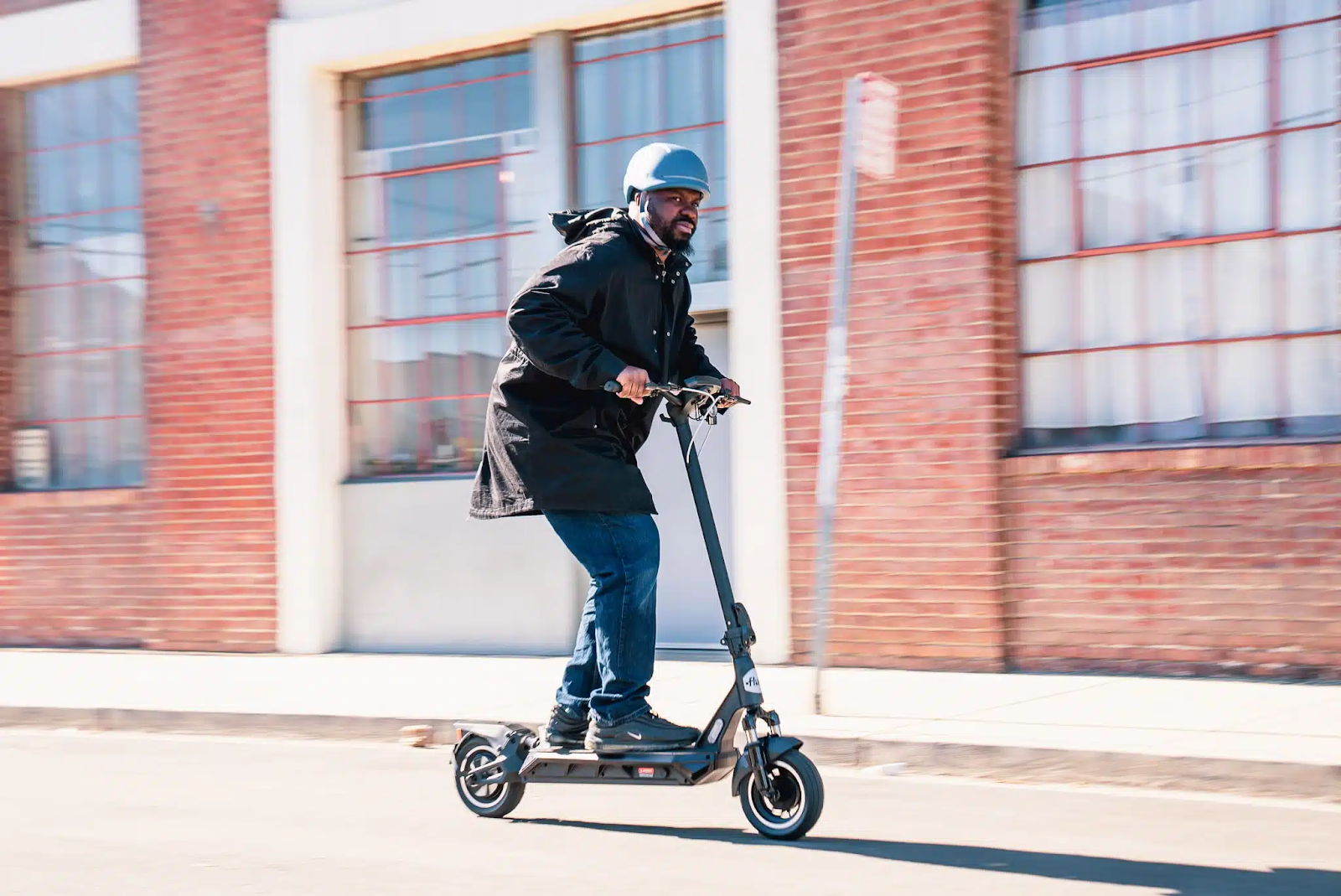
Forget about standard city scooters. High-Performance electric scooters are in a league of their own, built for superior performance, thrilling speeds, and tackling terrain that would challenge ordinary models.
But what exactly makes a scooter “high-power”? It’s not just a marketing term. These scooters are engineered with advanced components designed to handle steep inclines, rapid acceleration, and heavier riders with ease. Understanding the technology, performance metrics, and essential safety features will help you choose top electric scooter guide and best brands that delivers the power and reliability you need.
Understanding the Core Technology
The power of an electric scooter comes from the synergy of its main components. Each element must work together seamlessly to provide peak performance.
Motor Wattage
Motor wattage is the most direct measure of a scooter’s strength. It’s typically expressed as nominal wattage (sustained output) and peak wattage (maximum output for short bursts).
High-power scooters usually start at around 1000W nominal and can reach several thousand watts at peak output. Higher wattage translates to faster acceleration, higher top speeds, and effortless climbing of steep inclines.
Voltage
Voltage acts like the “pressure” that pushes energy from the battery to the motor. High-voltage systems improve efficiency, reduce power loss, and allow scooters to deliver more consistent acceleration and top-end speed. While standard scooters operate at lower voltages, high-power models often run on 60V, 72V, or higher systems to maximize performance.
Controller
The controller manages the flow of power from the battery to the motor. A high-quality controller ensures smooth acceleration and prevents bottlenecks that could limit a powerful motor. Advanced controllers are capable of handling large currents, unlocking the scooter’s full performance potential.
Battery
Battery capacity, measured in amp-hours (Ah) and watt-hours (Wh), is critical for high-power scooters. Powerful motors consume more energy, so a large-capacity battery is essential for both performance and range. Scooters designed for long rides or extreme power typically require batteries with high Ah ratings to maintain consistent output over extended trips.
Performance Metrics
High-power scooters are defined by their real-world performance. Key metrics include:
- Top Speed: Many high-power scooters easily exceed 40 mph (65 km/h), with some capable of 60 mph (100 km/h) or more, allowing riders to navigate traffic safely and enjoy open-road riding.
- Acceleration: Powerful motors combined with high-voltage systems provide near-instant acceleration, a noticeable difference compared to standard commuter scooters.
- Hill-Climbing Ability: High-power scooters excel on steep inclines, often climbing slopes that standard scooters struggle with, making hilly routes manageable.
- Weight Capacity: Reinforced frames allow high-power scooters to carry heavier riders, often exceeding 250 lbs (113 kg), without compromising performance or stability.
Essential Safety and Functional Features
High speeds and powerful motors demand advanced safety features.
Brake System
A robust brake system is non-negotiable. Hydraulic brakes provide superior stopping power and smoother responsiveness compared to mechanical alternatives, ensuring rider safety at high speeds.
Suspension System
High-power scooters require effective suspension to absorb impacts from uneven terrain. Hydraulic or adjustable spring suspension, both front and rear, improves ride comfort, handling, and stability.
Steering Damper
At high speeds, handlebars can become unstable, a phenomenon known as speed wobble. A steering damper adds resistance to the handlebars, preventing wobble and giving the rider more control and confidence.
Tires
The right tires are critical for performance and safety. Pneumatic tires provide excellent shock absorption for high-speed riding, while off-road tires with wider, knobby treads offer better grip on loose or rugged surfaces.
How to Choose the Right High-Performance Scooter
Selecting a scooter depends on matching your needs to the right machine.
- Define Your Use Case: Consider whether you need a scooter for commuting, high-speed thrills, off-road riding, or all of the above. Your intended use will determine the priorities in motor power, battery capacity, suspension, and safety features.
- Set a Realistic Budget: High-power scooters are a significant investment. Premium components, safety systems, and advanced technology contribute to higher prices compared to standard models.
- Consider Portability: These scooters are often heavy, sometimes over 80 lbs (36 kg). If you need to carry or store your scooter frequently, check for foldability and dimensions, but remember they will still be heavier than commuter models.
- Check After-Sales Support: High-power scooters are complex machines, so reliable customer service, warranty coverage, and access to replacement parts are essential for long-term maintenance and peace of mind.
High-Performance vs. Standard Scooters
The upgrade to a high-power scooter depends on your riding style and needs.
- Casual Commuters: If your route is short, flat, and low-traffic, a standard scooter may suffice.
- Performance-Oriented Riders: For hill climbs, long-distance rides, or a more thrilling experience, high-power scooters offer superior acceleration, speed, stability, and durability. The difference in ride quality and capabilities is immediately noticeable.
Conclusion
High-power electric scooters represent the next level of personal electric mobility. They are engineered for performance, versatility, and safety, making them ideal for serious riders who demand more than a basic commuter scooter. Understanding the technology, performance metrics, and essential features ensures you choose a scooter that meets your expectations and enhances your riding experience.
If you want maximum power, speed, and control, a high-power electric scooter is a thrilling and practical choice for urban commuting, adventure, and everything in between.