
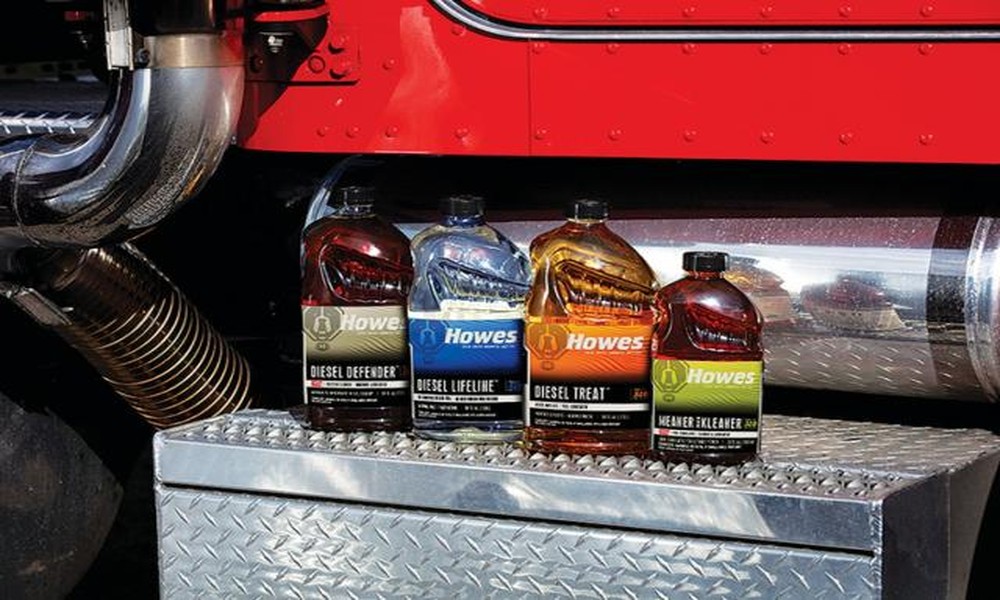
You already understand diesel fuel and cold weather risks. I focus on this topic because fuel failures cost time, damage parts, and create stress when conditions turn harsh. I evaluate diesel additives by looking at cold flow protection, water control, lubricity support, and system safety. You benefit because this approach removes guesswork and helps you choose tools that protect engines before problems start and during emergencies.
Cold weather planning matters. Knowing how to ungel diesel is useful, but preventing gelling in the first place saves more time and money. I will explain how winter diesel additives work, what roles different treatments serve, and why Howes products fit real world diesel use across seasons.
Why Diesel Gels and Why Prevention Matters
Diesel fuel thickens as temperatures drop. Paraffin wax forms crystals that restrict fuel flow. Filters clog. Injectors starve. Engines stall.
I advise you to think about diesel treatment in layers:
- Prevent gelling before temperatures drop
- Remove water that freezes and blocks filters
- Restore lubricity lost in modern fuel
- Clean injectors to support proper spray patterns
When these areas work together, diesel systems stay reliable instead of fragile.
What Makes a Strong Winter Diesel Additive
Not all anti gel products solve the full problem. Some rely on alcohol. That strips lubrication and harms seals. Others focus only on cold flow while ignoring injector wear.
I look for additives that deliver:
- Alcohol free water removal
- Proven anti gel protection
- Lubricity for pumps and injectors
- Compatibility with emissions systems
Howes products meet these requirements while remaining safe for modern diesel engines.
Diesel Treat and Cold Weather Protection
Diesel Treat is built for winter reliability. They formulated it to prevent fuel gelling while also removing water without alcohol or harsh solvents.
This matters because water causes filter icing and corrosion. Diesel Treat addresses both risks at the same time.
Key functions include:
- Preventing diesel from gelling in cold temperatures
- Eliminating water from fuel systems
- Adding lubricity to protect injectors and pumps
- Reducing rough idle and smoking
I recommend this approach because it supports fuel stability and mechanical protection instead of focusing on a single issue.
Diesel Lifeline for Emergency Fuel Recovery
Sometimes prevention fails due to unexpected cold or untreated fuel. That is where Diesel Lifeline fits.
Diesel Lifeline is designed to re liquefy gelled fuel and de ice frozen filters. They engineered it for emergency use without requiring filter removal or premixing.
It works directly in the system and remains effective in extreme cold. Once applied, it continues protecting against filter icing.
I view this product as a backup tool. You hope you never need it, but it can save hours when diesel locks up during winter operation.
Diesel Defender and Fuel System Health
Cold weather exposes weak fuel systems. Poor lubricity and dirty injectors worsen starting and performance problems.
Diesel Defender focuses on lubricity and injector cleanliness. They use IDX4 detergent to remove and prevent deposits, including internal injector buildup.
Benefits include:
- Strong lubricity support for pumps and injectors
- Injector cleaning within several treatments
- Water removal without alcohol
- Improved fuel economy and combustion stability
I recommend this type of additive when long term system health matters as much as cold starts.
Meaner Power Kleaner for Stored and Working Fuel
Stored diesel creates problems of its own. Sediment forms. Microbial growth develops. Injectors clog over time.
Meaner Power Kleaner stabilizes fuel while cleaning the system. They designed it for agricultural and heavy equipment use, but the principles apply to any diesel storage scenario.
It helps by:
- Stabilizing stored diesel fuel
- Preventing injector deposits
- Removing water that supports microbial growth
- Adding lubricity for mechanical protection
I see this product as part of year round fuel care rather than a seasonal fix.
Diesel Lubricity and Injector Cleaning Strategy
Modern diesel fuel lacks natural lubrication. This accelerates wear on injectors and high pressure pumps.
I advise pairing anti gel protection with lubricity and injector cleaning support. This combination improves reliability and reduces repair risk.
A balanced diesel treatment plan includes:
- Winter anti gel protection
- Injector cleaning during warmer months
- Emergency recovery options
- Fuel stabilization for storage
Howes covers each role without overlapping chemicals or conflicting formulas.
Penetrating Lubrication and Mechanical Care
Fuel issues often expose other mechanical problems. Frozen linkages, seized cables, and moisture intrusion slow repairs.
Howes Multi Purpose lubricant functions as a penetrating oil and protective lubricant. They developed it to displace water, prevent rust, and leave a stable protective film.
Uses include:
- Freeing frozen brake cables
- Protecting electrical connections
- Lubricating exposed moving parts
- Preventing corrosion on metal surfaces
I recommend keeping this type of lubricant available during winter operations.
How to Choose a Diesel Treatment Plan
I suggest you think in terms of prevention, protection, and recovery. Diesel Treat handles prevention. Diesel Defender supports system health. Diesel Lifeline provides recovery. Meaner Power Kleaner stabilizes fuel. Multi Purpose lubricant protects mechanical parts.
This layered approach reduces downtime and avoids panic fixes during cold weather failures.
Howes products align with this strategy because they focus on system safety, compatibility, and real operating conditions rather than short term effects.
When diesel stays flowing, injectors stay clean, and lubrication remains stable, engines work as expected even in harsh winter conditions.