

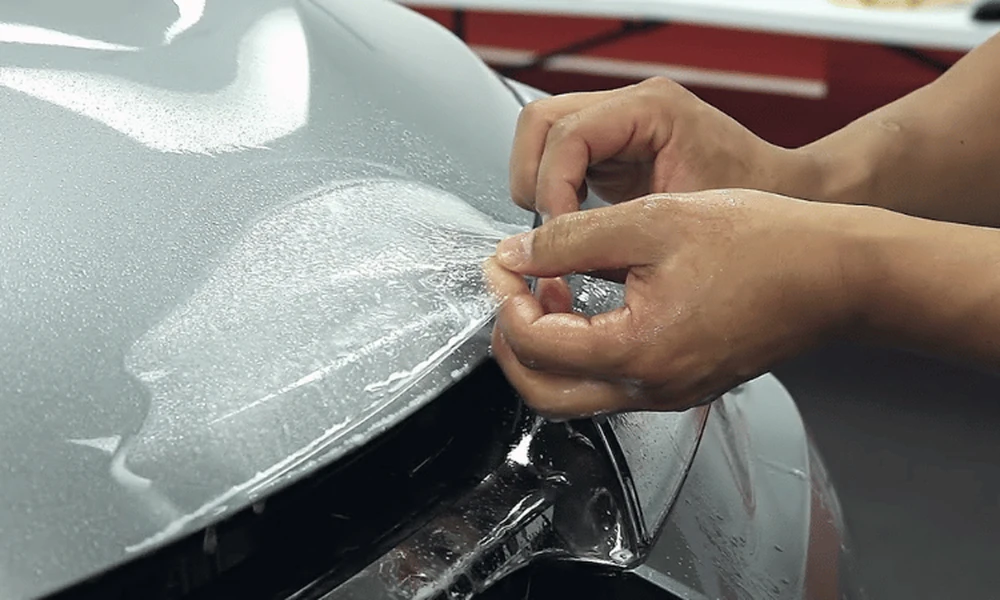
Paint protection film has traditionally been associated with one simple goal: keeping factory paint safe from chips, scratches, road debris, and everyday wear. Yet modern films are no longer limited to nearly invisible clear finishes. Drivers can now protect vulnerable body panels while changing the appearance of a vehicle at the same time. Carbon fiber-inspired finishes are one of the clearest examples of that shift.
For enthusiasts who want something more distinctive than conventional glossy or matte protection film, carbon-style PPF offers an interesting middle ground between visual customization and practical surface protection. Choosing the right film, however, requires more than judging the pattern from a photograph. Material construction, texture, installation quality, durability, and long-term appearance all matter.
Why Carbon Fiber Finishes Have Become More Appealing
Real carbon fiber has long been associated with performance vehicles because of its strength-to-weight characteristics and unmistakable woven appearance. Genuine carbon body panels can also be expensive, making them unrealistic for many cosmetic applications.
Carbon-look protection film gives vehicle owners another option. Instead of replacing a bonnet, mirror cap, roof panel, or trim component, an installer can apply a protective film with a carbon-inspired surface pattern. The result changes the visual character of the panel while adding a sacrificial layer above the original finish.
This combination is particularly useful for drivers who like customized vehicles but hesitate to make permanent changes. High-quality film can generally be removed by an experienced professional when the owner wants to return to the original appearance, provided the underlying paint is healthy and the installation has been handled correctly.
The effect can also be subtle. Carbon styling does not necessarily mean covering an entire vehicle. Small areas such as mirror housings, spoilers, pillars, side skirts, bonnet accents, or selected trim panels can introduce texture without overpowering the factory design.
Protection Still Matters More Than Appearance
The carbon pattern may attract attention first, but protection should remain the main reason for selecting PPF rather than ordinary decorative wrap.
Road use exposes paintwork to constant minor impacts. Gravel, sand, insects, road grime, careless washing, and contact around heavily used panels can gradually damage the finish. Front bumpers, bonnet edges, wheel arches, lower doors, and side mirrors are particularly vulnerable.
A well-made protective film creates a physical barrier between those hazards and the painted surface. Instead of taking the direct impact, the film absorbs much of the everyday abrasion that would otherwise reach the clear coat.
This distinction matters when comparing PPF with standard vinyl. Decorative vinyl can transform appearance effectively, but paint protection film is generally designed with impact resistance and paint preservation as central functions. Buyers interested in carbon styling should therefore determine whether a product is genuinely engineered as protective film rather than simply carrying a carbon-patterned surface.
Material Quality Influences Long-Term Results
Not all protective films age in the same way. Material formulation affects flexibility, clarity, surface consistency, stain resistance, adhesive performance, and the way the product conforms around complex bodywork.
Thermoplastic polyurethane, commonly known as TPU, is frequently used in modern premium PPF because it combines flexibility with useful resistance to abrasion and impact. A flexible film can follow curved panels more naturally and may reduce the risk of an installation looking rigid or poorly integrated.
The surface layer is equally important. Protective top coats can influence how easily dirt is cleaned away and how well the film resists environmental contamination. Depending on the product, manufacturers may also incorporate properties designed to reduce the visibility of minor surface marks.
Carbon finishes introduce an additional consideration: pattern consistency. The weave or textured appearance should remain even across a panel. Poorly manufactured films may look convincing from a distance yet appear distorted or inconsistent when stretched during installation.
For this reason, judging quality from a sample installed on a curved surface can be more useful than examining an untouched sheet.
Texture Changes How a Vehicle Reflects Light
One reason carbon-inspired PPF looks different from ordinary paint is the way its texture responds to changing light.
Gloss paint relies heavily on reflection, while matte paint diffuses it. Carbon patterns create additional visual depth through the repeated weave effect. Depending on the film, that pattern may be subtle and satin-like or considerably more pronounced.
Lighting can therefore alter the appearance throughout the day. A film that seems understated indoors may reveal stronger texture under direct sunlight. Conversely, an aggressive pattern displayed under showroom lighting may appear less dramatic in normal road conditions.
Vehicle colour also influences the final effect. Dark paint beneath or beside carbon-style panels can create a coordinated performance appearance, whereas contrast against lighter paint may make the modified section much more obvious.
Before committing to extensive coverage, it is sensible to consider the vehicle as a complete design rather than evaluating the film in isolation.
Professional Installation Makes a Noticeable Difference
Even an excellent film can look disappointing if installation is rushed.
Vehicle panels contain compound curves, edges, recesses, sensors, trim pieces, and narrow gaps that require careful handling. Carbon-patterned products can make installation errors particularly visible because the texture itself provides reference lines. Excessive stretching may distort the weave, while poor alignment can make adjacent sections appear mismatched.
Surface preparation is equally important. Dirt, wax residue, tar, polishing compounds, and other contaminants can interfere with adhesion or become trapped beneath the film. Proper preparation normally involves thorough cleaning and inspection before application begins.
Edges deserve special attention. Cleanly wrapped or carefully finished edges can make the film appear integrated with the panel rather than added on top of it. Installers experienced with textured PPF will also understand where stretching should be minimized to preserve a consistent visual pattern.
The best product and the best installer should therefore be considered together. Material quality cannot fully compensate for poor technique.
Maintenance Helps Preserve the Finish
Protective film reduces direct exposure of the original paint, but the film itself still needs routine care.
Gentle hand washing is generally preferable to aggressive cleaning methods. Dirt should not be allowed to accumulate around edges, and harsh chemicals should be avoided unless the film manufacturer specifically considers them safe.
Pressure washing requires particular care near seams and exposed edges. Holding a high-pressure jet too close can place unnecessary stress on the installation. Likewise, automatic washes with abrasive brushes may gradually affect the appearance of textured surfaces.
Carbon-patterned film can occasionally hide light contamination better than high-gloss paint, but that does not mean cleaning can be neglected. Consistent maintenance helps preserve the texture and prevents embedded grime from making the surface look dull.
Owners should also follow any product-specific aftercare instructions supplied by the installer, especially immediately after application while the film and adhesive are settling.
Choosing a Film That Fits the Vehicle
There is no universal carbon finish that works equally well for every car. The appropriate choice depends on the vehicle’s design, the areas being protected, and the owner’s preferred level of visual change.
Performance coupes and sports cars may suit larger carbon-inspired sections, especially around bonnets, roofs, aerodynamic components, and mirror caps. Luxury vehicles may benefit from more restrained use, where the film appears primarily on trim or selected accent areas. On daily drivers, practical protection zones can determine placement more than styling alone.
It is also worth thinking about future resale. A reversible modification may appeal to owners who enjoy personalization but want to preserve original paint underneath. Keeping documentation from the installation and using reputable materials can make later removal or replacement easier to manage.
The goal should be visual consistency rather than adding carbon texture everywhere simply because it is available.
Making a Practical Final Choice
The strongest PPF choice balances appearance, protective performance, installation requirements, and maintenance rather than focusing on pattern alone. Buyers should compare material composition, surface texture, adhesive behavior, warranty terms where applicable, and examples of the film installed on real vehicles.
It can also be useful to examine manufacturer information for specific products before discussing coverage with an installer. For example, ClearPro provides details about its carbon fiber paint protection film as one reference point when researching this type of finish.
Ultimately, carbon-style PPF works best when it feels like part of the vehicle rather than an added decoration. A well-selected film can protect vulnerable surfaces while introducing texture and character, but its success depends on material quality and careful application. When those elements come together, drivers gain a practical way to personalize their cars without losing sight of the original purpose of paint protection.